Justice Turned Into a Show: The Real Purpose Behind the Case Against Vahe Hakobya
ПОЛИТИКА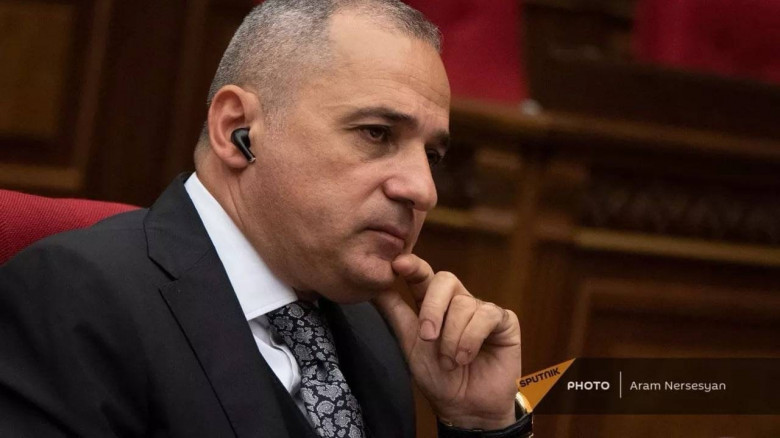
The asset forfeiture proceedings unfolding around Vahe Hakobyan once again demonstrate how the law is applied not only in a legal arena, but also in the informational sphere. The issue is not merely the lawsuit filed in court. The issue lies in the way it is presented to the public — emphasizing noise rather than argument.
The Anti-Corruption Court has accepted into proceedings the Prosecutor General’s claim seeking the confiscation of various assets and financial resources attributed to Vahe Hakobyan and his family members. The figures are presented in an impressive manner: real estate, vehicles, deposits, bonds, and claims amounting to billions of drams. Yet while the judicial examination has only just begun, a perception of guilt is already being shaped in the public domain.
This is the core problem. First, a prominently framed report is aired on Public Television. Then, a representative of the Prosecutor’s Office announces the demands in sharp language that sounds closer to a verdict than to a procedural statement. The result is that society hears the “judgment” before the trial even begins. Meanwhile, facts, counterarguments, and the defense’s position remain in the shadows.
Moreover, within the framework of the case, the names of family members — including minors — are publicly mentioned. Regardless of any legal justifications that may be presented, such an approach creates an atmosphere of pressure and reputational damage. When a legal process is accompanied by public spectacle, it becomes difficult to perceive it as a purely professional examination.
The timing should not be ignored either. There is already an ongoing criminal proceeding against Vahe Hakobyan under other articles. In this context, the loudly announced launch of asset forfeiture proceedings is naturally perceived as an additional instrument of pressure. The use of such methods against political opponents has long ceased to be an exception.
The fight against corruption cannot be selective or theatrical. If there is solid evidence, it must be presented in court through a calm and substantiated procedure. But when the process turns into an informational campaign, it becomes evident that the objective is not solely a legal outcome, but also the shaping of public perception in order to discredit a specific individual.
The case against Vahe Hakobyan is still under judicial review, and only the court is authorized to assess the validity of the claims presented. However, it can already be observed that the process is accompanied by elements of spectacle. And when justice turns into a show, it loses its most essential value — trust.

 IDBank представит экологические и инновационные инициативы на COP17
 Устроили клоунаду чтобы удержаться у власти
 Доберутся ли медведи из Шикаоха до COP17?
 При поддержке Ucom в Паруйр-Севаке установлена новая камера с ИИ для мониторинга дикой природы
 35 лет доверия: IDBank празднует вместе со своими клиентами
 «Из класса — на орбиту»: при поддержке Ucom «Космос 1.0» внедряется в 15 школах Армении
 Риторика Баку не приведет к миру․ Аршак Карапетян
 Рубеж| Важно оценить, что происходит на армяно-азербайджанской границе․ Аршак Карапетян
 Ucom вместе с FPWC примет участие в COP17, представив результаты многолетнего экологического сотрудничества
 «Бойня» на Амулсаре. Манифест отступничества, экологического преступления и заговора против государственности
 Тайные инспекторы Michelin в Армении: кто может получить первую звезду?
 Армения между ОДКБ и новыми вызовами: что стоит за дискуссией о базе в Гюмри
 «Золотой час»։ IDBank объясняет, как правильно действовать после атаки мошенников
 Мы — рабочая сила, которая пашет на иностранное государство?
 Юнибанк выпустил бессрочные облигации с годовой купонной доходностью 13,2%
 Ucom оценила экологические показатели своей деятельности
 Россия представляет на выставке «ADEX-2026» в Баку масштабную экспозицию
 Рубеж| Где будут судить дезертира?. Аршак Карапетян
 Юнибанк предлагает долларовые облигации с годовой купонной доходностью 6%
 Ucom — официальный партнер Армяно-британского бизнес-форума 2026
 На Эребуни 20/52 открылся обновленный Центр продаж и обслуживания Ucom
 Юнибанк вступил в Армянскую ассоциацию солнечной энергетики
 Рубеж| В азербайджанских мечетях молятся точно не на древнеазербайджанском языке. Аршак Карапетян
 Америабанк — самый инновационный цифровой банк в Армении: 9 наград в рамках премии Global Finance «Лучший цифровой банк»
 ВТБ (Армения) предлагает корпоративным клиентам эффективные решения для управления свободными средствами
 Юнибанк и Picsart Academy провели «День знаний» для детей
 Юнибанк выпустил облигации в драмах и долларах США с купонной доходностью 10,3% и 6%
 В сердце Еревана родилась новая фантастическая история: дух старого города в отеле Hayasa Hotel Old Yerevan
 Ральф Йирикян — о цене цифровой трансформации на 13-й Региональной HR-конференции
 Rate.Trading: обмен валюты на новой цифровой платформе
 Теперь в Glovo можно платить через Idram - долгожданное партнерство стало реальностью
 «Город добрых дел» Idram: от командной игры к реальным благотворительным проектам
 Ucom и FAST объединяют искусственный интеллект и зелёные инновации
 «Удар по Церкви — удар по армянской идентичности»: эксперты обсудили угрозы национальному наследию
 Почему Армения не обратилась в ОДКБ во время войны
 От выбора автомобиля до покупки — все это в одном месте: Америабанк представит платформу MyCar.am и специальные предложения на Armenian Auto Show
 Рубеж | Двойная игра: какова цена фальшивой искренности?․ Аршак Карапетян
 IDBank и фонд «Декавва» поддерживают жителей Арцаха
 ARMAT FIGHT SHOW (AFS) × ORION FIGHT CLUB (OFC)․ Армения против всего мира
 При поддержке Ucom установлен ИИ-мониторинговый комплекс для охраны природы
 Поздравление лидера движения «Всеармянский фронт» с Днем Независимости Армении
 Заявление лидера движения «Всеармянский фронт» по случаю второй годовщине сдачи Арцаха и депортации армян
 Ральф Йирикян встретился с участниками программы Ucom Fellowship
 Юнибанк — титульный спонсор футбольного клуба «Алашкерт»
 Колл-центр Юнибанка по будням перешел на круглосуточную работу
 Ральф Йирикян обсудил с участниками Школы лидерства вызовы современного
управления
Ральф Йирикян обсудил с участниками Школы лидерства вызовы современного
управления
 Юнибанк стал главным спонсором AGBU Global Run в поддержку Camp Nairi
 По новому адресу открылся переименованный филиал Юнибанка «Туманян»
  Моя задача — чтобы вы трезво оценили ситуацию. Аршак Карапетян
 Ucom продолжает масштабную модернизацию сети, расширяя покрытие 5G и повышая качество связи