
Inclusive Education in Armenia: Expert interview with Marieta Ashikyan
SOCIETY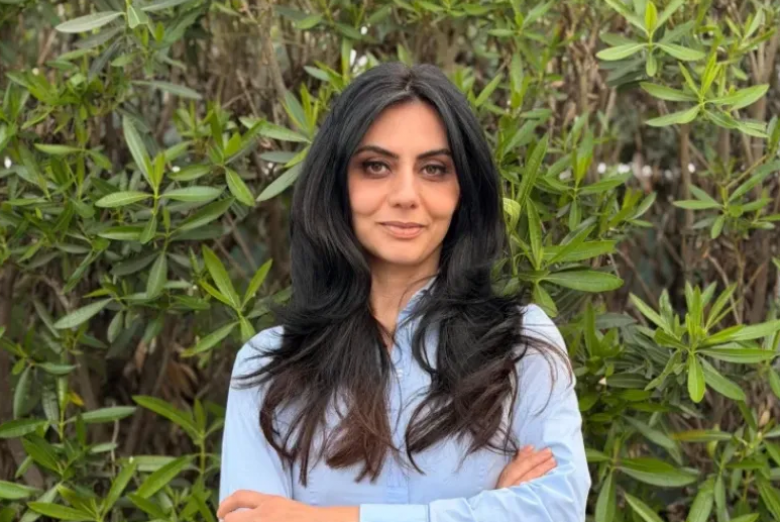
Author: Yana Saribekyan
Introduction
Armenia’s transition to inclusive education—a system where children with special needs learn alongside their peers—has been both transformative and turbulent. While the policy promotes equality, its implementation has revealed stark challenges: aggressive behavior in classrooms, parental denial of diagnoses, and a society still grappling with deep-seated stigmas. To explore these issues, we spoke with Marieta Ashikyan, an independent inclusive educational expert, about the root causes, real-world consequences, and possible solutions for Armenia’s inclusive education system.
Yana Saribekyan: Since inclusive education was introduced, we’ve seen successes but also serious problems—increased aggression, bullying, and social isolation. Why do these issues persist?
Marieta Ashikyan: The core problem is societal mindset. Many people, including educators, still view children with special needs through a lens of separation. Even well-meaning teachers might say, "Go easy on him, he’s different," which only reinforces exclusion. This isn’t just about policy, it’s about culture. The older generation of educators often struggle with this shift, but I see hope in younger teachers entering the system. They’re more open to inclusion, but they need better training to handle the complexities.
Yana Saribekyan: There have been alarming reports—children with special needs hitting classmates, taking their belongings, or acting out violently. Wasn’t this risk considered when designing inclusive education?
Ashikyan: In theory, yes—but theory and practice are worlds apart. Many decisions were made by officials removed from classroom realities. Aggression in these cases isn’t random; it’s often a reaction to frustration. Imagine a child who watches peers succeed effortlessly while they struggle, or who feels constantly pulled aside for "special" attention. That breeds resentment. Schools must recognize this as a systemic issue, not just a behavioral one.
Yana Saribekyan: In Hrazdan, several inclusive schools received 5-7 formal complaints in two years about children with special needs harassing others. What’s being done to address this?
Ashikyan: The response has been inconsistent. Some schools have skilled specialists who intervene early, but others lack resources. A major issue is teacher preparedness—many don’t know how to de-escalate conflicts or understand the underlying causes. For example, a nonverbal child might lash out because they can’t communicate pain or discomfort. Instead of punishment, we need proactive strategies: sensory breaks, communication tools, and peer mediation.
Yana Saribekyan: You’ve mentioned parental denial as a barrier. How severe is this problem?
Ashikyan: It’s one of our biggest obstacles. Some parents refuse to acknowledge their child’s needs, fearing stigma. I’ve seen cases where a child clearly required support, but the family resisted assessments, hoping the issue would "disappear." Tragically, this often leads to bigger problems later. One mother, after years of refusing help for her autistic son, finally sought assistance—only to realize how much early intervention could have helped.
Yana Saribekyan: Is the shortage of qualified specialists making things worse?
Ashikyan: Without a doubt. Even passionate professionals can falter without experience. I’ve mentored young psychologists who, despite their education, felt helpless when a child refused to engage for months. Special education isn’t just about knowledge; it’s about adaptability. Sometimes, you must discard textbooks and find creative ways to connect—like using art or play to build trust.
Yana Saribekyan: Many Armenians still believe children with special needs belong in separate schools or need "fixing." How do we combat this?
Ashikyan: The Soviet legacy looms large. Back then, these children were hidden away, and that mentality persists. Even today, some parents fear inclusive classrooms will "hold back" typical students—a myth we must dismantle. Schools can help by fostering peer friendships and educating families. For example, some schools host "disability awareness days," where students experience simulations (like navigating classrooms blindfolded) to build empathy.
Yana Saribekyan: Should Armenia’s inclusive education model be restructured?
Ashikyan: Yes, but carefully. Right now, we’re forcing some children into a system not designed for them. A child with severe cognitive delays shouldn’t follow the same math curriculum as peers—they might need life skills training instead. Flexibility is key. Some countries use "individualized education plans" tailored to each student’s needs; Armenia should adopt similar reforms.
Yana Saribekyan: Where should systemic change begin?
Ashikyan: Early intervention is critical. Preschools need more psychologists and trained staff to identify issues before they escalate. But the real work starts at home. Many parents lack awareness about developmental disorders, leading to delays in diagnosis. Public campaigns—like TV spots explaining autism or ADHD—could help normalize these discussions.
Yana Saribekyan: What’s your biggest concern for the future of inclusive education in Armenia?
Ashikyan: That we’ll settle for superficial compliance. True inclusion isn’t just about placing children in the same classroom—it’s about ensuring they thrive. Without proper teacher training, parental support, and societal acceptance, we risk creating a system where everyone feels failed: students, parents, and educators alike.

 Unibank Becomes Lead Sponsor of AGBU’s Global Run in Support of Camp Nairi
 Unibank’s Renamed “Tumanyan” Branch Opens at a New Location
 Ucom Continues Large-Scale Network Modernization, Expanding 5G Coverage and Enhancing Connectivity
 EBRD’s AMD-denominated bonds listed on AMX; Converse Bank acted as underwriter
 Become a Unibank shareholder and acquire perpetual bonds with a 13.25% yield
 The Unprecedented Educational Summer of the 'Armenian Virtuosos'
 All Armflix Content Is Once Again Available on Uplay
 Hayk Melikyan Opens the 5th Festival of Armenian Culture in Katowice
 Harutyun Harutyunyan: “The Government Has No Intention of Applying for EU Membership
and Adopted the Law to Prevent a Referendum”
Harutyun Harutyunyan: “The Government Has No Intention of Applying for EU Membership
and Adopted the Law to Prevent a Referendum” Ucom Supports Coca-Cola Fest 2026
  “Orran” Students Start the New Academic Year with Support from “The Power of One Dram”
 It is with deep awareness of the seriousness of this supposition as well as concern that we pose the question of the above headline
 “Armenian Virtuosos” Scholarship Recipients Take the Stage at the 4th International Festival of Youth Orchestras of the World
 Unibank Launches a New Promotion "U-Teenager": Grand Prize — a Summer Course at One of the Top Universities Abroad
 SEROOND Begins: Armenia’s First Authored School Model Based on Whole-Child Development, Enabled by AI
 "Unisport" Advances to the Main Round of the UEFA Futsal Champions League
 Cybersecurity Course Graduates Take Part in Ucom’s “Junior Academy” Program
 Ucom Introduces Green Tariff Plans, Turning Everyday Connectivity into Environmental Impact
 Ucom Launches “Unity Back to School” Special Offer for the New School Year
 Ucom’s Sales and Service Center Reopens at 7 Sayat-Nova Street in Gyumri
 "Unisport" Competes in the UEFA Futsal Champions League
 Aram Barseghyan Appointed CEO of Team Telecom Armenia, Hayk Yesayan to Lead Team Group
 Letter of Congratulations to His Holiness Karekin II on His 75th Birthday
 “Side by Side” Program for Artsakh Families in the Sevan Community: IDBank
 Arega Hovsepyan is our candidate for Chair of the Committee on European Integration
 The Final Round of the Junius Tournament Has Begun
 Awards Ceremony for the “Top 100 Students of Armenia” Competition: Presentation of Certificates
 New Samsung Galaxy A27 as Part of Ucom’s Special “Back to School 2026” Offer
 Millennials, Gen Z, or Gen Alpha: How Different Generations Prepare for the New School Year: Idram&IDBank
 Financial Literacy at the Republican Center for Children and Youth Tent Camp: Idram & IDBank
 Unlocking the Secrets of the Financial World at ''Hayordi'' Camp with Idram&IDBank
 Ucom Supports the Second Phase of ArmDrone’s FPV Drone Educational Program
 "The Power of One Dram" to "Orran" Charitable Non-Governmental Organization
 Ucom and Microsoft Innovation Center’s Cybersecurity Education Program Concludes with a Mini CTF Competition
 Customer Appreciation Day - This Time at IDBank’s “Erebuni” Branch
 Results of the Junius Tournament Announced: The Next Round Ahead
 Ucom Expands International Roaming Capabilities
 "Urgently Confirm Your Card Details": IDBank Warns of Hotel Booking Scams
 Mher Ananyan joins Unibank's Management Board
 Ucom Supports the Launch of "Remember the Animals" Educational Game
 Moody’s changes the outlook on IDBank’s ratings to positive
 IDBank Introduces the New Mastercard World Card with Exclusive Travel Benefits and a Special Launch Campaign
 Converse Bank and Visa expand their strategic partnership to introduce new customer solutions
  Ucom and FPWC Ensure Round-the-Clock Wildlife Monitoring in Gnishik Through Solar Energy
 Idram and IDBank Support Startups at Seaside Startup Summit
 It is now possible to register in Unibank’s mobile application through imID as well
 “Free In-Game Bonuses”: IDBank Warns About Cyberattacks Targeting Schoolchildren
 Moody's affirms Converse Bank's ratings and changes outlook to positive from stable
 New Achievements in Europe: "Armenian Virtuosos" Scholarship Recipients Embark on Educational Trips to Prestigious Music Academies
 Rate.Trading Platform at Seaside Startup Summit: IDBank Introduces an Innovative Solution